Advanced Practice Wellness Clinic

How Does Peptide Therapy Work?

How Does Peptide Therapy Work?

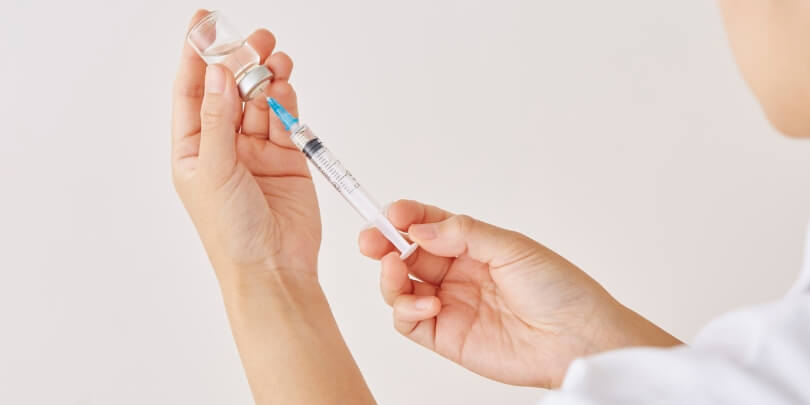
Peptide therapy works by using specific amino-acid chains (“peptides”) to influence how cells communicate. Your body already uses peptides as signaling molecules–think hormones and messenger compounds that tell tissues what to do next. Therapeutic peptides are designed to mimic, enhance, or modulate those signals in a targeted way, depending on...

Read More

What Are The Benefits Of GHK-Cu Peptide?

Benefits Of GHK-Cu Peptide

GHK-Cu (often called a “copper peptide”) is best known for supporting skin repair and remodeling signals. In plain English, it’s used most often to support “skin quality” outcomes–smoother texture, a healthier-looking tone, and improved appearance of firmness over time–especially when someone is also doing the basics that make any skincare...

Read More

What Does BPC-157 Do For The Body?

What Does BPC-157 Do For The Body?

BPC-157 is a short peptide that’s often discussed in “regenerative” or sports-recovery circles for things like tendon/ligament healing, gut support, and faster recovery. What it appears to do–based mostly on animal and lab studies–is influence several healing-related pathways at once, including inflammation signaling, blood-vessel signaling (angiogenesis), and tissue-repair processes. The...

Read More

What Is The Difference Between TB500 And BPC-157?

What Is The Difference Between TB500 And BPC-157?

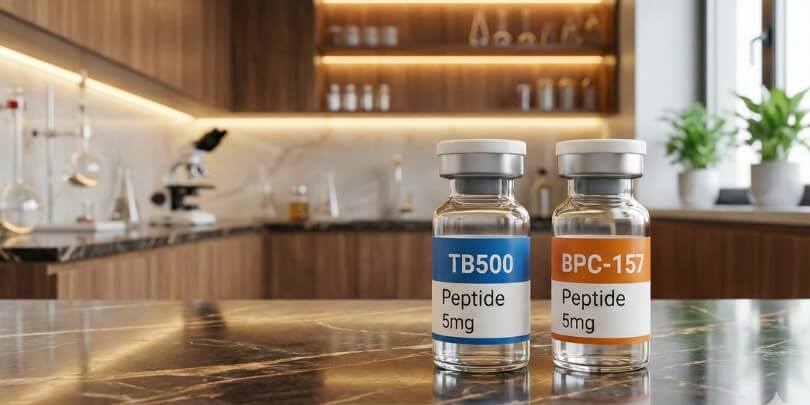
TB-500 and BPC-157 are both peptides that get grouped under “regenerative” or “recovery” marketing, but they’re not the same compound, they’re not used for the same evidence-backed indications, and they don’t have the same level (or type) of research behind them. Most importantly for a conservative, evidence-informed site: neither TB-500...

Read More

What is BHRT (bioidentical hormone replacement therapy)?

BHRT, or bioidentical hormone replacement therapy, is a type of hormone therapy that uses hormones with the same molecular structure as hormones naturally made by the body. Common bioidentical hormones include estradiol, micronized progesterone, and testosterone. BHRT may be used to help with symptoms related to perimenopause, menopause, low testosterone,...

Read More

BHRT vs HRT – What’s The Difference?

BHRT vs HRT – What’s The Difference?

Bioidentical hormone replacement therapy (BHRT) uses hormones that are chemically identical to the ones your body makes (such as estradiol, progesterone, and testosterone). “HRT” is an umbrella term for any hormone therapy - bioidentical or non-bioidentical – and may include FDA-approved products as well as compounded preparations. The right option...

Read More

Can cognitive decline be reversed?

Some causes of cognitive decline can improve or even reverse when the underlying problem is found and treated, but not every type of cognitive decline is fully reversible. Brain fog from poor sleep, sleep apnea, thyroid dysfunction, low B12, low iron, medication effects, depression, blood sugar swings, alcohol, inflammation, or...

Read More

What tests do I need before starting BHRT?

Before starting BHRT, the most important “test” is a careful clinical evaluation: your symptoms, menstrual or reproductive history, medical risks, medications, family history, and goals. Lab testing can be very helpful, but it should be targeted and interpreted in context rather than used as a one-size-fits-all checklist. Standard bloodwork is...

Read More

What are the four pillars of metabolic health?

The four pillars of metabolic health are blood sugar balance, healthy body composition, cardiovascular and lipid health, and low inflammation with good recovery. In practical terms, this means your body can use energy well, maintain stable blood sugar, preserve muscle, manage fat storage, keep blood pressure and cholesterol in a...

Read More

Is BHRT safe long-term?

BHRT may be safe long-term for appropriately selected patients, but it should not be treated as a “set it and forget it” therapy. Long-term safety depends on the specific hormone used, the route of delivery, the dose, the reason for treatment, your age, your personal risk factors, and how closely...

Read More

What causes weight loss resistance?

Weight loss resistance usually means your body is not responding as expected to nutrition, exercise, or calorie changes. It can happen when hormones, metabolism, sleep, stress, insulin, thyroid function, gut health, medications, inflammation, menopause, low testosterone, or muscle loss are working against your efforts. It does not mean weight loss...

Read More